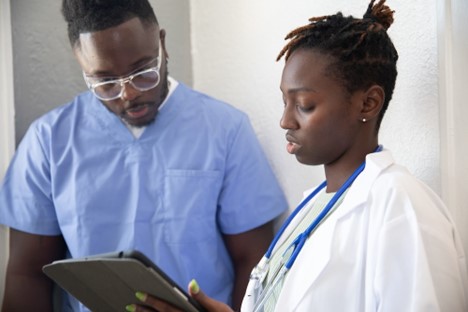
In the fast-paced world of healthcare, continuous learning is not merely a recommendation; it’s a necessity. The field is characterized by constant advancements in medical knowledge, technology, and patient care practices. This rapid evolution demands that healthcare professionals not only keep up but also actively engage in ongoing education. By doing so, they ensure that they remain at the forefront of the field, equipped to provide the best possible care to their patients. In an environment where a single breakthrough can change treatment protocols overnight, staying informed and educated is crucial. Healthcare professionals who commit to continuous learning position themselves to better understand and utilize novel discoveries, ultimately enhancing the care they provide.
1. Leadership Opportunities
One of the most compelling reasons for healthcare professionals to pursue continuous learning is the opportunity to advance into leadership roles. Higher education, particularly specialized programs like MBA programs with a healthcare concentration, is key in this regard. These programs go beyond the clinical aspects of healthcare, delving into the administrative, ethical, and managerial skills necessary for effective leadership. As the healthcare landscape becomes more complex, those in leadership positions will need a robust understanding of both the business and clinical sides of their organizations. MBA programs with a healthcare concentration are specifically designed to bridge this gap. They equip professionals with a comprehensive skill set that combines business acumen with healthcare knowledge, making them ideal candidates for leadership roles within healthcare organizations.
Moreover, the rise of online education has made online MBA healthcare programs more accessible than ever. Pursuing an MBA in healthcare online offers flexibility and convenience, allowing healthcare professionals to balance their education with their demanding work schedules. Online programs also provide the advantage of immediate application of learning. Professionals can apply new concepts and strategies directly to their current roles, seeing the real-time impact of their education on their work. This combination of theory and practice is invaluable, preparing healthcare professionals not only for future leadership roles but also enhancing their current performance and understanding of the healthcare industry.
2. Keeping Pace with Technological Advancements
The healthcare industry is at the forefront of technological innovation, with new tools and technologies constantly emerging. From advanced diagnostic machines to sophisticated electronic health records systems, technology is reshaping how healthcare is delivered. For healthcare professionals, keeping pace with these technological advancements is crucial. Continuous learning in this context means staying updated with the latest technological developments and understanding how to integrate them into patient care.
Engaging in ongoing education helps healthcare professionals to not only learn about new technologies but also to critically assess their applicability and effectiveness. This knowledge is vital in a field where the right technology can significantly improve patient outcomes. Whether it’s learning about the latest in medical imaging or understanding how to use data analytics to improve patient care, continuous learning ensures that healthcare professionals can effectively leverage technology to enhance their practice. By staying abreast of technological advancements, healthcare professionals can provide more accurate diagnoses, more efficient treatment, and overall better patient care.
3. Enhancing Patient Care and Outcomes
A primary goal of all healthcare professionals is to provide the best possible care to their patients. Continuous learning plays a vital role in achieving this objective. As medical research advances, new treatments, medications, and care protocols are constantly being developed. Healthcare professionals who engage in ongoing education are better equipped to understand and apply these advancements, leading to improved patient outcomes.
Education in new areas of medical research can enable healthcare professionals to provide more effective treatment plans and offer the latest therapeutic options to their patients. For instance, staying updated on the latest in pharmacological advancements can make a significant difference in the management of chronic diseases. Additionally, continuous learning about patient care techniques can lead to more compassionate and effective communication with patients, enhancing their overall experience. By committing to lifelong learning, healthcare providers can ensure they are always providing care that reflects the latest standards in the medical field.
4. Meeting Regulatory Requirements and Standards
The healthcare industry is governed by a complex set of laws and ethical standards that are continually evolving. Continuous learning is essential for healthcare professionals to remain compliant with these changing regulations. By staying informed about the latest healthcare laws, regulations, and best practices, professionals can avoid legal pitfalls and ensure their practices meet the highest standards of care.
For example, changes in healthcare regulations can affect how patient data is handled, requiring professionals to adapt to new privacy standards. Similarly, updates in clinical guidelines necessitate a quick response from healthcare providers to align their practices with current standards. Ongoing education in these areas not only helps healthcare professionals meet regulatory requirements but also instills confidence in their patients, who can trust that they are receiving care that is not only effective but also ethically and legally sound.
5. Developing Specialized Skills and Knowledge
Another significant benefit of continuous learning in healthcare is the opportunity for professionals to develop specialized skills and knowledge. The vastness of the medical field means that there are numerous areas where healthcare professionals can specialize, whether it’s in pediatrics, oncology, geriatrics, or another field. Specializing allows professionals to provide more targeted and effective care to specific patient populations.
Engaging in specialized training and education enables healthcare professionals to delve deeper into specific areas of interest, allowing them to become experts in their chosen fields. This expertise is not only beneficial for the patients who receive more specialized care but also for the professionals themselves, as it can lead to career advancement and personal satisfaction. Specialization requires a commitment to continuous learning and staying abreast of the latest research and techniques in a specific area, ensuring that the care provided is the most current and effective.
Conclusion
Continuous learning is an indispensable part of a successful healthcare career. It opens doors to leadership opportunities, keeps professionals abreast of technological advancements, enhances patient care, ensures compliance with regulatory standards, and allows for the development of specialized skills. In a field as dynamic and impactful as healthcare, the commitment to lifelong learning is not just a professional responsibility; it’s a cornerstone of excellence in patient care and personal career fulfillment.
Did you find this helpful? Check out our other helpful articles on our website.
Read Also
- Can Outsourced Telepsychiatry Help Healthcare Organizations Keep Pace With Modern Mental Health Screening?
 Mental healthcare is changing quickly, but many hospitals, clinics, schools, correctional facilities, and community health organizations do not have enough psychiatric professionals available to turn new screening approaches into timely clinical care. Outsourced telepsychiatry offers one way to close that gap. FasPsych, for example, connects healthcare organizations with psychiatrists, psychiatric nurse practitioners, and other behavioral… Read more: Can Outsourced Telepsychiatry Help Healthcare Organizations Keep Pace With Modern Mental Health Screening?
 - Five operational checks for choking readiness in healthcare facilitiesA facility can have a choking poster on every wall and still be unprepared. Preparedness shows up when someone can recognize the emergency, call the right response, bring the right people and supplies to the room, and hand over clear information without losing time. That test belongs in operations as well as clinical education. The… Read more: Five operational checks for choking readiness in healthcare facilities
- Understanding the Demand for Correctional Healthcare ProfessionalsHave you ever wondered who cares for people when they get sick inside a prison? Many people do not realize that jails and prisons need skilled medical teams every single day. By reading this guide, you will learn why these important jobs are growing fast and how you can join this rewarding career field. Caring… Read more: Understanding the Demand for Correctional Healthcare Professionals
- Patient Engagement and Pharmaceutical Support Services: Building a Better Patient JourneyPatients rarely experience healthcare as a simple, linear process. They may need to understand a diagnosis, determine whether they qualify for a clinical trial, gather medical records, navigate insurance requirements, arrange transportation, learn how to use a medication, and stay engaged with treatment for months or years. Serva Health is one example of a specialist… Read more: Patient Engagement and Pharmaceutical Support Services: Building a Better Patient Journey
- Industrial Container Recycling and Waste Management Services: A Practical Guide for BusinessesIndustrial container recycling is an essential part of responsible waste management for manufacturers, warehouses, laboratories, automotive businesses, chemical companies, food processors, and other organizations that regularly handle bulk materials. A strong example is Kelly Drums, a Mid-Atlantic provider of reconditioned drums and comprehensive container management solutions. The company specializes in the pickup, recycling, reconditioning, and… Read more: Industrial Container Recycling and Waste Management Services: A Practical Guide for Businesses
- BCBA & RBT Salary by State 2026 | Behavior Analyst PayPay in applied behavior analysis is harder to pin down than in almost any other healthcare field. Two professionals with the same certification can earn $40,000 apart for no reason other than the state line between them. So before you accept an offer, ask for a raise, or relocate for a bigger paycheck, it helps… Read more: BCBA & RBT Salary by State 2026 | Behavior Analyst Pay
- Top Strategies for Integrating Technology into Healthcare TrainingHave you ever wondered how healthcare workers learn new skills as medicine keeps changing? Today, new tools make learning easier, faster, and more flexible for many healthcare workers. Technology in healthcare training helps people learn from almost anywhere and practice skills in safe places. These tools can make learning more fun and easier to remember.… Read more: Top Strategies for Integrating Technology into Healthcare Training
- Why the Future of Healthcare Administration is Cloud-NativeThe operational demands placed on modern healthcare administrators have officially outpaced the capabilities of traditional IT infrastructure. While clinical medicine continues to advance at breakneck speed, the back-office systems required to support it often remain painfully stagnant. Today’s insurers, Third-Party Administrators (TPAs), and provider networks are forced to navigate an avalanche of daily claims, aggressive… Read more: Why the Future of Healthcare Administration is Cloud-Native